
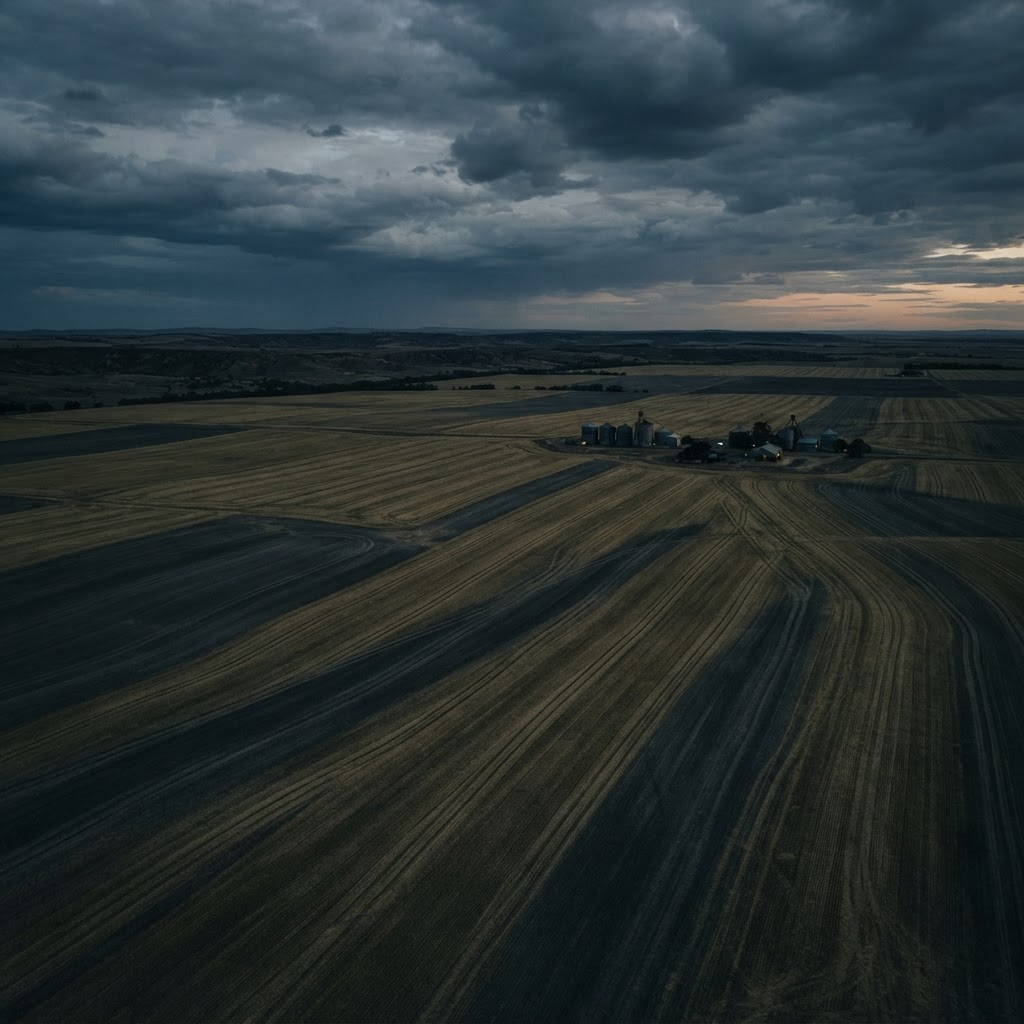

Capital that understands the season.
Australian agriculture runs on seasons, weather, and commodity cycles, none of which most lenders factor into their facility design. The right capital structure absorbs the natural rhythm of the work. The wrong structure penalises operators for it.
Revenue lands in concentrated periods. Costs run year-round.
Agricultural operators face a capital reality unlike any other sector. Revenue lands in concentrated periods, harvest, weaning, processing. Costs run year-round. Capital expenditure is enormous: land, livestock, equipment, infrastructure. And every year, the weather can change the entire economic outlook.
Most agricultural businesses end up with capital structures designed for businesses that run on monthly cycles. Term loans amortising evenly across periods of zero revenue. Working capital facilities that tighten at exactly the moments operators need them to flex. Equipment finance structured to lender preference rather than asset productive life. The cumulative cost of this mismatch is significant.
The right structure for agriculture works with seasonality, not against it. Seasonal credit lines that draw and repay in line with harvest cycles. Equipment finance matched to asset life, sometimes 10-15 years for major plant. Land facilities structured for multi-generational ownership horizons. Drought and commodity-price contingencies built into covenants from day one.
Agricultural operators need capital that flexes with the season.
A typical agricultural capital stack combines seasonal working capital, equipment finance, and land facilities. The right mix depends on the commodity cycle, the asset intensity, and the operator's generational horizon.
Seasonal Working Capital
Lines of credit and overdrafts structured around harvest, processing, or sale cycles. Drawing capacity that flexes with the season. Repayment aligned with revenue concentration periods.
Equipment & Plant Finance
Major agricultural plant, harvest equipment, livestock infrastructure. Long-tenor structures matched to genuinely long productive lives. Often 10+ years for irrigation, infrastructure, and major plant.
Land & Property Facilities
Acquisition and refinancing of agricultural land, water rights, and operational property. Multi-generational ownership horizons accommodated through appropriate structuring.
Succession & Generational Transition
The most consequential structural moment in most agricultural businesses. Buy-out funding for incoming generation. Sale leaseback structures for outgoing generation. Tax-aware structures designed alongside the operator's accountant and lawyer.
Three recent Agriculture & Agribusiness engagements.
Northern NSW broadacre cropping expansion.
Family operator expanding from 4,000ha to 7,200ha. Seasonal working capital line plus equipment finance for two harvest units and irrigation infrastructure.
Adelaide Hills horticulture succession.
Multi-generational horticulture group transitioning ownership to next generation. Layered facility combining senior debt, vendor finance, and continuity arrangements with major customers.
FNQ cattle operation infrastructure refresh.
Established cattle producer refreshing yards, vehicles, and processing equipment ahead of contract expansion. Long-tenor structures matched to productive life.
Five observations from operating in agriculture.
Most agricultural businesses are paying for cashflow they don't need in winter.
Working capital sized to peak revenue periods rather than steady revenue. Reset the facility to match the cycle, and the saving is immediate.
Drought contingency belongs in the covenant, not in the equity.
Most operators self-fund drought reserves. The better operators negotiate drought contingencies into facility covenants, and have the capital to deploy when it matters.
Land facilities almost always cost more than they should.
Major banks treat agricultural land as commodity security. Specialist agricultural lenders price it more sophisticatedly. The structural difference compounds across multi-decade holdings.
Succession is the biggest structural mistake in Australian agriculture.
Most family farms transition ownership without proper capital structuring. The cost is paid by both generations, and often by the business's long-term viability.
Commodity price is a covenant problem, not a strategy problem.
Operators rarely fail because commodity prices drop. They fail because their facility covenants couldn't absorb the drop. Structure covenants for cycles, not for averages.
The people you'll speak to.


Talk to our agriculture lead.
Whether you're structuring seasonal working capital, planning a succession, or refinancing land, the first conversation is the same. No commitment. No fee. Just an honest discussion of structure.
Discuss an agricultural facility