
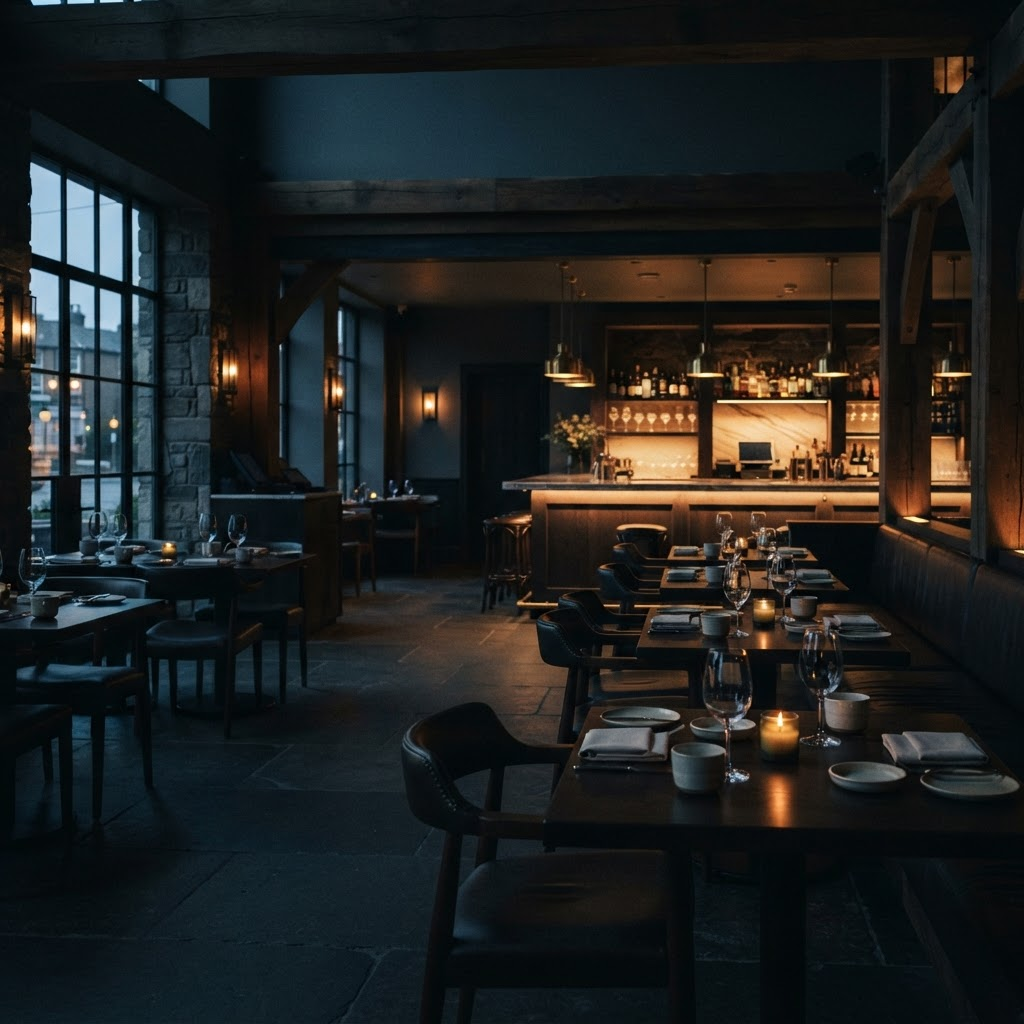

Capital for venues, brands, and the operators behind them.
Hospitality and food businesses run on operating intensity that few sectors share. Working capital, fit-out funding, acquisition structures, and growth capital, each requires careful design. The operators we work with are building groups, not just venues.
Strong venues throw off cash. Marginal venues consume it.
Hospitality runs on operating leverage that magnifies both success and stress. Strong venues throw off cash. Marginal venues consume it. Working capital tightens during seasonal troughs, stretches during expansion, and gets tested every quarter by suppliers, payroll, and rent. The capital structure either absorbs this rhythm or it doesn't.
Most hospitality operators we meet have grown organically through reinvested earnings, supplemented by ad-hoc bank facilities accumulated as venues opened. The result is fragmented capital, different lenders for different venues, no coordinated working capital structure, fit-outs funded against personal guarantees that constrain future moves.
The right capital architecture for hospitality treats the operator as a group, not as a collection of venues. Coordinated working capital across venues. Fit-out finance structured to amortise across productive life. Acquisition facilities designed for the multi-venue growth path. Refinance and consolidation when the structure has outgrown its origins.
Hospitality operators need capital that treats them as a group.
A typical hospitality operator's capital stack combines working capital, fit-out finance, and acquisition capacity. The right mix depends on the venue count, the growth trajectory, and the operator's strategic horizon.
Working Capital & Operating Lines
Sized to operating rhythm, not just monthly averages. Flexible during seasonal troughs, available during expansion periods. Often the highest-impact restructure available to growth-stage hospitality operators.
Fit-Out & Equipment Finance
Funding for venue fit-outs, kitchen equipment, technology infrastructure. Matched-tenor structures aligned with productive life. Tax-aware structures designed alongside the operator's accountant.
Acquisition & Multi-Venue Structures
For operators acquiring additional venues, competing operations, complementary categories, or strategic locations. Layered structures combining senior debt, vendor finance, and equity contribution.
Refinance & Group Consolidation
For established multi-venue operators with fragmented capital structures. Coordinated refinance across the group. Often releases significant working capital and reduces aggregate servicing.
Three recent Hospitality & Food engagements.
Melbourne restaurant group venue fit-out.
Established restaurant operator opening third venue. Coordinated fit-out and equipment finance structured to match productive life. Working capital integrated with existing facilities.
Melbourne hospitality group restructure.
Five-venue Melbourne hospitality operator with facilities across three lenders. Restructured into single coordinated structure with one lender. Released $620K working capital and reduced servicing.
Sydney specialist hospitality acquisition.
Established hospitality operator acquiring competing venue in adjacent precinct. Structured with vendor finance integration and asset-backed senior debt.
Five observations from operating in hospitality.
Working capital is the most common single-cause failure in growth-stage hospitality.
Operators outgrow their working capital structure faster than any other capital component. The signal is usually visible 12 months before the constraint. The restructure is straightforward when caught early.
Fit-out finance separated from operating capital almost always costs more.
Most operators fund fit-outs from operating cashflow or personal guarantees. The result is constrained operations during fit-out periods and limited capital for the next venue. Specialist fit-out structures preserve both.
Acquisition is faster than building.
For growth-stage operators with proven concepts, acquiring an established venue is typically faster and more capital-efficient than fitting out a new one. The structural complexity is greater, but the timeline and outcome usually compensate.
Multi-venue operators are over-banked.
Almost every multi-venue operator we meet has too many lender relationships. Consolidation simplifies operations and creates negotiating leverage. The structural saving usually justifies the consolidation cost.
Personal guarantees compound across venues.
Each new venue accumulates personal exposure that constrains future moves. Operators who treat guarantee management as a strategic discipline build more optionality than those who don't.

Talk to our hospitality lead.
Whether you're opening a new venue, restructuring working capital, or considering an acquisition, the first conversation is the same. No commitment. No fee. Just an honest discussion of structure.
Discuss a hospitality facility